How to Create Effective Personal Development Plans (PDPs)
Creating effective Personal Development Plans (PDPs) is key to fostering employee growth, boosting engagement, and ensuring that your team’s career aspirations align with organisational goals. A well-structured PDP helps employees identify their strengths, address skill gaps, and build the competencies needed to achieve both personal and professional success.
This post offers a step-by-step guide to creating impactful PDPs to drive career development and support long-term talent strategies.
Step 1: Set a Clear Purpose and Communicate It Effectively
Objective: Ensure that both the manager and the employee understand the purpose of the PDP and how it fits into their overall development and the organisation’s talent strategy.
How to Implement:
- Define the PDP’s Purpose:
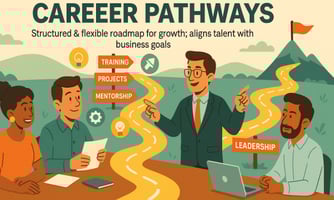
Clarify that the PDP is a tool for personal and professional growth, not just a performance evaluation document. Emphasise its role in helping employees plan their career paths, enhance their skills, and prepare for future roles.
- Align with Organisational Goals:
Connect the employee’s personal development goals with the organisation’s strategic objectives. For example, if the company is focusing on digital transformation, highlight how developing digital skills will contribute to both individual success and business outcomes.
- Communicate the PDP’s Value:
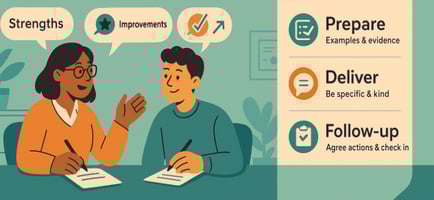
Before starting the PDP process, explain to the employee why the PDP is important and how it will benefit their career. Provide examples of how past PDPs have helped other employees grow and succeed.
Best Practice Tip:
- Create a PDP Overview Document: Share a short document that outlines the purpose of PDPs, the process, and the expectations for both employees and managers. Use this as a reference during the initial discussion.
Step 2: Conduct a Comprehensive Skills and Competency Assessment
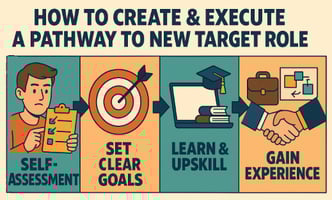
Objective: Gather a holistic view of the employee’s current skills, strengths, and areas for development to serve as a foundation for setting meaningful development goals.
How to Implement:
- Use a Skills Matrix or Competency Framework:
Develop a skills matrix that includes both technical and soft skills relevant to the employee’s role. Map out the required competencies for the employee’s current position as well as for future roles they aspire to.
- Perform a Self-Assessment:
Have the employee complete a self-assessment where they rate their proficiency in each skill area. Use a structured format (e.g. rating from 1-5) to ensure consistency. This helps employees reflect on their own strengths and areas for growth.
- Get Input from Managers and Peers:
Use 360-degree feedback or managerial assessments to validate the employee’s self-assessment. Collect input from peers, supervisors, and direct reports (if applicable) to gain a more comprehensive understanding of the employee’s capabilities.
Best Practice Tip:
- Use Assessment Tools: Use skills assessment tools like TalentJam, LinkedIn Learning, Pluralsight, or internal HR systems to create digital assessments. These tools can provide an objective view of the employee’s current competencies.
Step 3: Set SMART Development Goals
Objective: Define specific, measurable, achievable, relevant, and time-bound (SMART) goals that provide clear direction for the employee’s growth.
How to Implement:
- Create Specific Development Goals:
Focus on what the employee wants to achieve in terms of skills, knowledge, or experiences. For example, instead of “Improve communication skills,” a SMART goal could be “Complete an advanced business communication course and present to the leadership team within six months.”
- Ensure Measurability:
Define success criteria for each goal. For instance, for a goal related to learning a new programming language, success could be measured by completing a certification or building a project using that language.
- Balance Short-Term and Long-Term Goals:
Include goals that are achievable in the short term (e.g. completing a training course) as well as long-term goals (e.g. preparing for a leadership role) to keep the employee engaged and motivated.
Best Practice Tip:
- Use a SMART Goals Template: Use a template that provides fields for goal description, success criteria, target date, and progress notes. This helps ensure that all goals follow the SMART framework (Specific, Measurable, Achievable, Relevant, and Time-bound).
Step 4: Develop a Personalised Action Plan
Objective: Outline specific steps, resources, and timelines that will help the employee achieve their development goals.
How to Implement:
- Identify Learning and Development Opportunities:
Create a list of recommended learning activities, such as online courses, workshops, certifications, or mentorship opportunities, that align with each goal.
Incorporate different learning methods (e.g. formal training, experiential learning, and social learning) to cater to various learning preferences.
- Leverage Stretch Assignments:
Identify stretch assignments or special projects that can provide hands-on experience and skill development. For example, if the goal is to improve project management skills, assign the employee to lead a small project.
- Set Milestones and Checkpoints:
Break down larger goals into smaller milestones to make them more manageable. For example, if the goal is to learn data analytics, set milestones for completing a beginner’s course, building a small analytics project, and then taking on a data analysis task within the team.
Best Practice Tip:
- Create a Development Activities Catalogue: Develop a catalogue of available internal and external learning resources, including links to relevant courses, mentorship programs, and project opportunities. Use this as a reference for creating the action plan.
Step 5: Assign Support Systems: Mentors, Coaches, and Learning Communities
Objective: Provide access to mentors, coaches, and peer learning communities to support the employee’s development journey.
How to Implement:
- Identify Suitable Mentors or Coaches:
Pair the employee with a mentor or coach who has expertise in the areas they want to develop. Mentors can offer guidance, share experiences, and provide feedback as the employee progresses through their plan.
- Create Peer Learning Opportunities:
Encourage participation in peer learning groups, where employees can collaborate, share best practices, and learn from each other’s experiences. Use platforms like Slack or Microsoft Teams to facilitate these groups.
- Leverage Manager Support:
Train managers to act as career coaches, providing regular feedback, offering learning resources, and supporting the employee in overcoming development challenges.
Best Practice Tip:
- Use a Mentoring Program Platform: Use platforms like Together, MentorcliQ, or Chronus to facilitate mentoring relationships, track sessions, and measure the impact of coaching support.
Step 6: Establish a Regular Review and Check-In Process
Objective: Ensure that the PDP remains a living document by reviewing progress regularly and adjusting goals as needed.
How to Implement:
- Schedule Regular Check-Ins:
Plan monthly or quarterly check-in meetings to review progress, celebrate milestones, and discuss any challenges. Use these meetings to reassess goals and make adjustments based on new priorities or learning needs.
- Document Progress and Feedback:
Keep a record of each check-in, noting accomplishments, challenges, and any changes to the plan. Use performance management tools like Lattice, 15Five, or SuccessFactors to track progress digitally.
- Be Flexible and Adaptive:
Be open to revising the PDP if the employee’s goals or business needs change. For example, if a new project requires specific technical skills, adjust the PDP to include relevant learning objectives.
Best Practice Tip:
- Create a Visual Progress Tracker: Use a visual progress tracker (e.g. Gantt chart or project management tool) to show goal status, upcoming deadlines, and milestones. This helps keep the PDP visible and engaging.
Step 7: Measure Success and Evaluate Outcomes
Objective: Evaluate the effectiveness of the PDP by measuring outcomes and assessing its impact on both the employee and the organisation.
How to Implement:
- Set Clear Success Metrics:
Use a mix of qualitative and quantitative metrics to evaluate success. For example, metrics could include skill acquisition, certifications obtained, changes in performance ratings, or the ability to take on new responsibilities.
- Assess Business Impact:
Measure how achieving PDP goals has impacted team productivity, project outcomes, or other business objectives. For instance, if an employee completed a leadership program, track how this has influenced team engagement or performance.
- Conduct a Final Review:
At the end of the PDP cycle, conduct a formal review with the employee to discuss what was achieved, what challenges were encountered, and what the next steps are. Use this review to inform the next development plan.
Best Practice Tip:
- Create a Development Impact Report: Summarise the outcomes of the PDP in a Development Impact Report that includes key learnings, achieved goals, and recommendations for future development. Use this report to highlight successes and inform future PDPs.